Article | Jun 18. 2026 - 1:35PM
Why supply chain partnerships matter more than ever for natural colors
When converting from artificial colors, a reliable, scalable supply chain is as important as choosing the right natural raw material
The demand for natural colors is growing and will continue to grow.
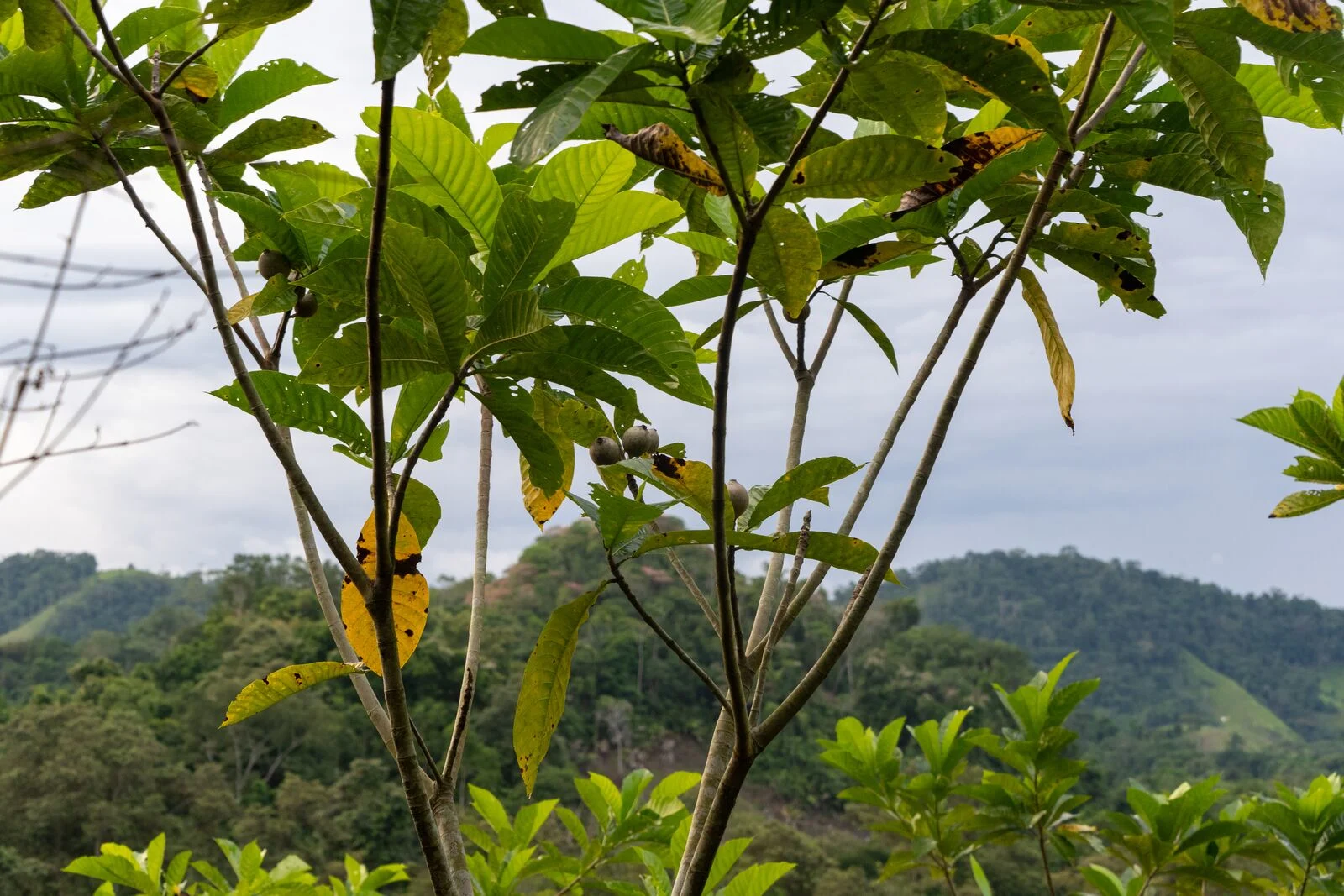
For food and beverage manufacturers, this shift is not just about choosing the right pigment. It is about securing a reliable, scalable supply chain that stretches all the way from the seedlings being planted to your production plant.
That is why choosing the right partner has never been more important.
Finding a natural color partner
Not all supply chains are created equal. When moving to natural colors, the strength and structure of your partner’s supply chain can directly impact product quality, consistency, and availability.
There are some key factors to consider:
Direct relationships with growers
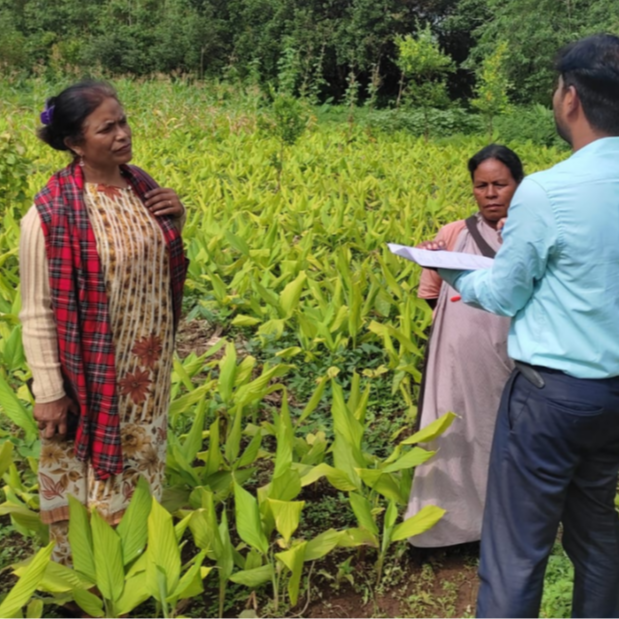
A strong partner works directly with growers through their own agronomists and sourcing experts, rather than relying on the open market. This creates better transparency and control across the entire value chain. It also ensures that raw materials are sourced with consistency and long-term planning in mind.
Sourcing expertise on the ground
Having sourcing experts close to where crops are grown provides critical flexibility.
This makes it possible to:
Boost supply when demand increases
Secure alternative or multiple sources of raw materials
Adapt quickly to changes in availability
Combined with global operations, this regional expertise ensures year-round supply and access to larger volumes.
Control over quality and compliance
Working directly with agricultural partners allows for better monitoring of pesticides and other potential contaminants. Contracted farmers follow strict requirements, including defined lists of restricted substances. This level of control is essential for maintaining product safety and meeting regulatory standards.
Beyond harvest: why processing matters
A resilient supply chain does not stop at the field. Extraction facilities located close to where raw materials are grown help strengthen the entire process. They reduce transport time and minimize pigment loss, which can occur when materials travel long distances.
Ownership also plays a key role. Facilities operated by the supplier rather than third parties bring deeper expertise in extraction processes. This helps maximize yield and maintain consistent quality across batches.
Preparing for future demand
As demand for natural colors continues to rise, some supply constraints are likely, particularly for high-demand pigments. The good news is that these challenges can be mitigated with early planning and collaboration. The right partner can:
Reduce supply risks
Improve access to preferred raw materials
Support long-term production stability
Like many aspects of the transition to natural colors, preparation makes all the difference.
Building a resilient path to natural colors
A reliable supply chain is the foundation of success when working with natural colors.
By choosing a partner with strong grower relationships, global sourcing capabilities, and integrated processing expertise, manufacturers can secure both quality and continuity.
The transition to natural colors is well underway. With the right partner, it is not just manageable — it is a strategic advantage.